Why Do Most Active Mutual Funds Fail to Beat Index Funds?
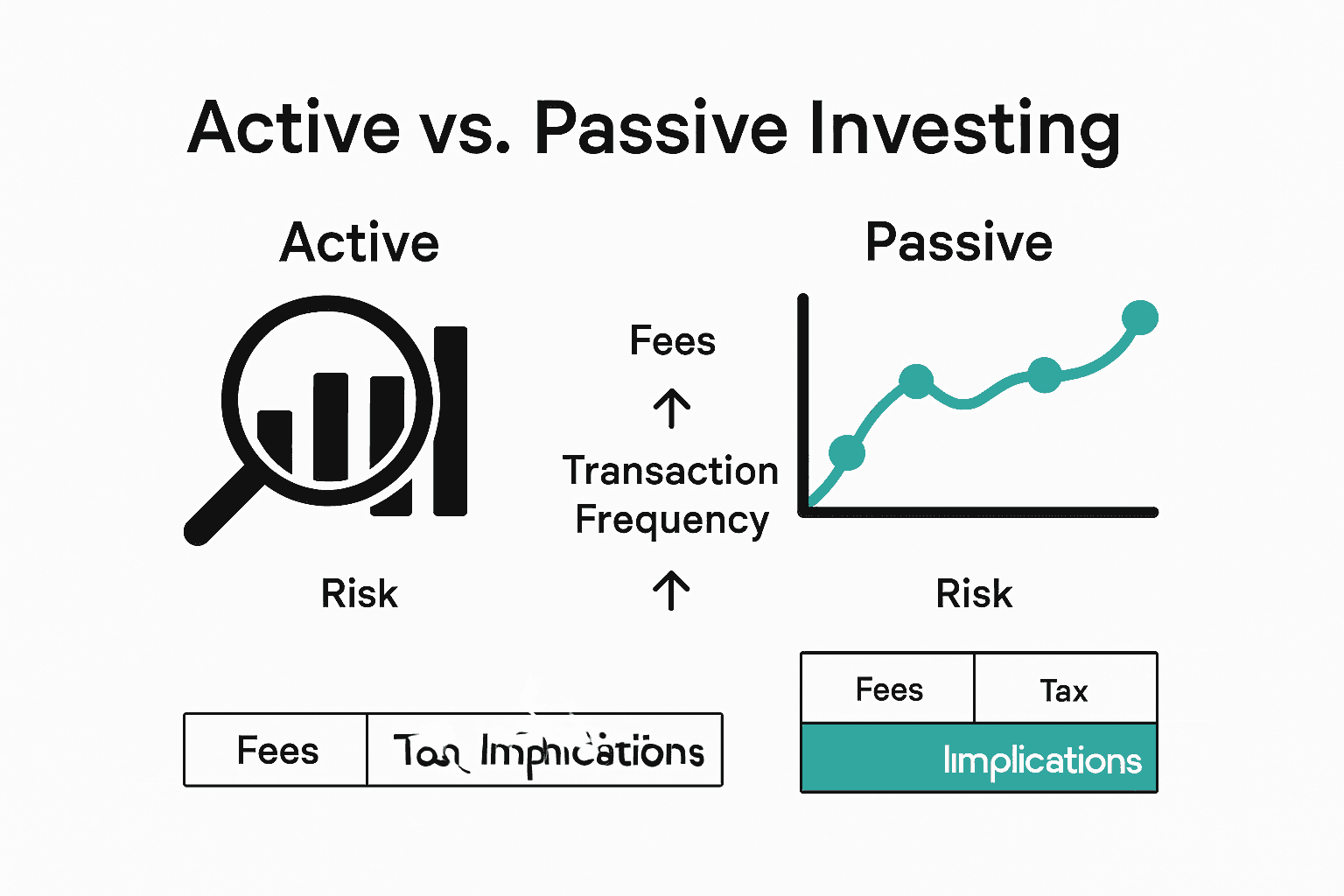
The core reason is simple: higher costs, tougher competition and very few managers can outperform the market after fees over long periods.
Active mutual funds are designed to beat the market. Most active mutual funds fail to do so consistently. The main challenge is that markets are highly efficient which means good information is quickly reflected in stock prices. By the time an active mutual fund manager identifies an opportunity many other investors may already have acted. This makes it extremely difficult for active mutual funds to gain an edge.
Another major reason is cost. Active mutual funds usually charge expense ratios because they pay for research teams, analysts, trading and fund management. These extra costs reduce returns. Create a hurdle that the active mutual fund must overcome before it can even match the index. Index funds on the hand simply track a benchmark and therefore cost much less.
Trading activity is also a problem for mutual funds. Active mutual funds often. Sell stocks frequently which creates brokerage costs, taxes and price impact. Over time these hidden costs quietly reduce performance of mutual funds. Index funds usually trade less so they preserve more of the market return.
Human behavior is another weakness of mutual fund managers. Active mutual fund managers can become overconfident follow market trends or make decisions. Skilled active mutual fund managers may have a great year or two but consistency is rare for active mutual funds. SPIVA reports have repeatedly shown that active mutual funds underperform their benchmarks over long time periods especially after fees.
Active mutual fund size and liquidity create another challenge. When an active mutual fund grows extremely large continuously buying and selling stocks becomes difficult. An active mutual fund with high AUM, such as ₹30,000 crore or more cannot easily move in and out of stocks without affecting prices. If such an active mutual fund holds 20 to 30 stocks a single position may become too large. For example even allocating 5% of a ₹30,000 crore mutual fund into one stock means investing ₹1,500 crore in that company. Exiting such a position later can become difficult because there may not be enough buyers when the active mutual fund wants to sell. This is why many large active mutual funds diversify across 50 or more stocks to improve liquidity and reduce concentration risk.
Key reasons why active mutual funds struggle to beat index funds consistently
- High expense ratios reduce returns of mutual funds before performance even begins.
- Large active mutual funds can struggle to buy or sell stocks efficiently because of liquidity limitations.
- Markets are efficient so finding stocks consistently is difficult for active mutual funds.
- Frequent trading adds brokerage costs, taxes and slippage for mutual funds.
- Large active mutual funds can become harder to manage and less flexible.
- Manager skill is hard to sustain over years for active mutual funds.
- Many active mutual funds end up looking too similar to the index.
- Concentrated portfolios with high AUM can create exit and liquidity problems for active mutual funds.